Loading…
Loading…AI Governance and Security · Assessment
AI Application Security Assessment
Know how the AI feature you shipped can be misused, before someone shows you.
A structured assessment of a language-model feature or agent you have built or bought: threat modelling of prompt injection, data leakage through retrieval, over-broad tool permissions, and model and vendor handling of your data, with hands-on testing and a prioritised fix list. One to two weeks.
Discuss this engagementWho this is for
- Product teams that shipped a chat, matching, extraction or agent feature
- Businesses buying AI-enabled software for a regulated workflow
- Governance advisors who need independent technical validation of a system in scope
The situation
You shipped a chat, matching or extraction feature, or gave users an assistant that can call tools inside your systems, because speed mattered more than caution at the time. That trade made sense in the moment. You rarely test afterward what a determined stranger can get the feature to do, or check what the company behind the underlying model does with the data you send it.
You do not know whether the feature will repeat back a document it should not surface, or whether the tools you gave it are reachable in ways nobody intended. Then a customer's security team sends a questionnaire, an insurer asks for evidence, or a curious user finds the edge case first, and you answer from memory because there was never a test to point to. The exposure was there before anyone went looking for it.
What changes
You move from trusting the feature because it shipped, to trusting it because you tested it against someone trying to break it. We build a threat model naming exactly how the feature could be misused: through the words a user types, through documents or search results it retrieves, through the tools it can call, and through what the vendor behind the model receives when you send it data.
A feature earns your trust the day it survives someone actually trying to break it.
We confirm each path by testing your working system directly, so nothing here is inferred from a diagram alone. You also receive a fix list ranked by what an attacker could do and how hard closing the gap is, so your engineers know what to fix first and what can reasonably wait.
How it runs
- 01
Agree scope, environment and authorisation
- 02
Review the architecture and build the threat model
- 03
Test against the model with real inputs
- 04
Write findings with severity and fixes
- 05
Replay with your engineers
Scope comes first: which feature, which environment, and what authorisation your organisation is giving us to act like an adversary against it. We agree a stop condition before any testing starts, so the boundary between test and production is never in question. From there we build the threat model from your actual architecture, not a generic checklist, because the permissions you granted and the data your retrieval step can surface differ in every build.
Testing itself runs against real inputs an attacker would try: injected instructions, boundary cases in retrieval, permission checks pushed past their limits. We write findings as we confirm them, so severity reflects what a finding actually lets someone do rather than how alarming it sounds on paper. The replay session puts your engineers in the room with the exact reproduction steps.
What you receive
You receive the threat model itself, written in plain terms your engineers and your leadership can both read: every path we tested, and why it matters for this particular feature. Alongside it, the full findings: what we found, how we found it, and the exact steps to reproduce each one, so nothing has to be taken on faith.
You also receive the fix list, ordered by what an attacker could actually do, and the replay session, where your engineers watch each finding reproduced and ask their own questions about it. Take the governance controls build next, and the fixes here become logged, monitored controls instead of a report that sits in a folder unread.
The engagement
- Format
- Architecture review, threat model, hands-on adversarial testing against an agreed scope, written findings with severity and fixes, replay session with your engineers
- Duration
- One to two weeks
- Typical range
- Engagements in this shape typically run one to two weeks and $3,500 to $7,500.
- What we need from you
- Architecture and code access, or vendor documentation for bought systems
- A test environment and written authorisation for testing
- An engineer for the replay session
- Continues as
- Governance Controls Build
Related work
Operating System
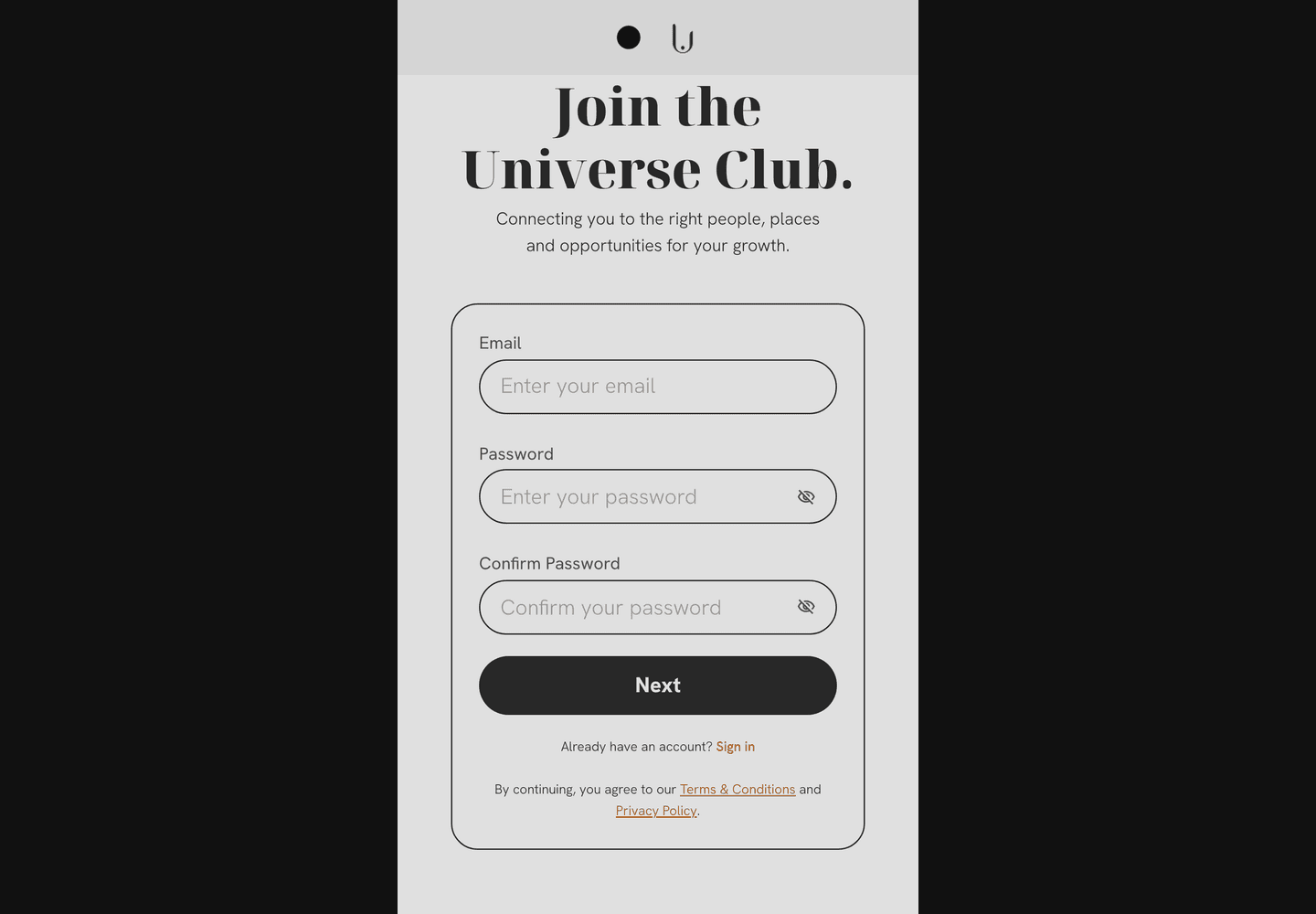
Universe Club Platform
A private professional network for trusted member discovery, workspace coordination, relationship context, and internal admin workflows.
Investor Intelligence
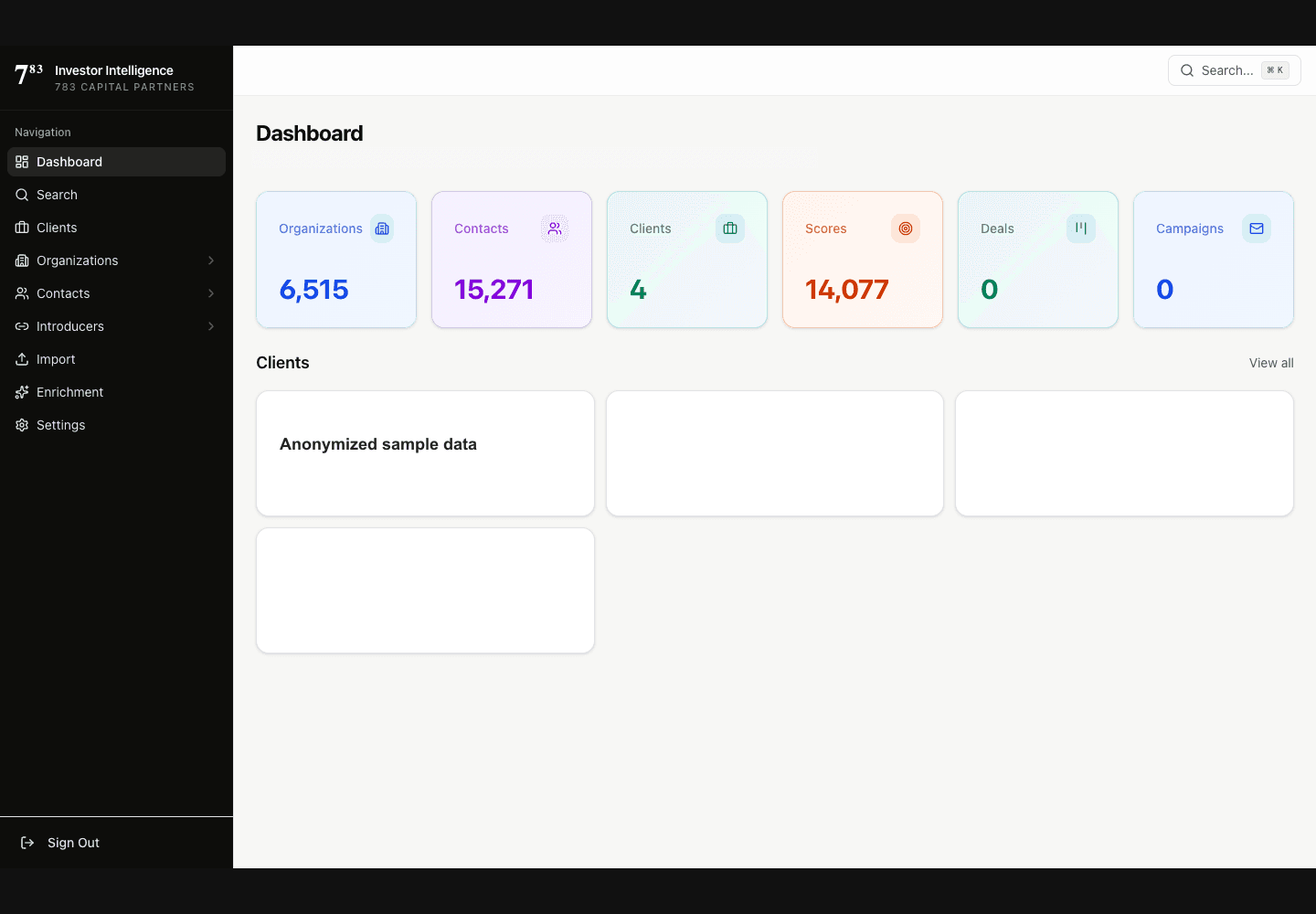
Investor Intelligence
A private intelligence layer for organizing organizations, contacts, introducers, scoring, enrichment, and campaign activity.
Digital Marketing
Alistair Langer
From Email Migration to Full-Spectrum Business Partnership
More in AI Governance and Security
- BuildIntelligence Features in ProductThe feature your users expect now: matching, summarising, classifying, answering, built to be trusted.Two to four weeks
- AssessmentAI Discovery and Data Exposure AssessmentKnow every AI tool touching your data, what it can reach, and who let it in.One to two weeks
- BuildGovernance Controls BuildThe decisions your governance work produced, installed as controls in the platforms you already run.Two to six weeks
- BuildPolicy and Evidence PackThe documents auditors, insurers and enterprise customers ask for, written to be used.Two to three weeks
Questions
What do you actually test?
We test injection through inputs and retrieved content, leakage across users and documents, what tools the agent can call and with whose permissions, and how the vendor handles the data it sees. We run these against your actual build, using real inputs designed to find the edge cases a normal user never reaches.
Is testing safe for our production system?
Testing runs against a test environment under written authorisation with a stop condition you control. We never touch your production system during the work, and you can halt it at any point without needing to explain why.
Do you fix the issues?
We deliver fixes for every finding, each scored by severity and the effort to close it. Your team can implement them directly, or ours can, whichever fits how you work.
Can this satisfy a customer's security questionnaire?
It gives you the evidence to answer a questionnaire honestly, which is what most questionnaires actually ask for. You get the threat model, the test results and the fix list as the backing for every claim you make.
