Loading…
Loading…AI Governance and Security · Assessment
AI Discovery and Data Exposure Assessment
Know every AI tool touching your data, what it can reach, and who let it in.
A read-only assessment that inventories every AI tool and AI-connected application in use across your organisation, maps the data each one can reach and under whose authority it was granted, and hands you a keep, restrict or revoke decision for each. One to two weeks, a couple of hours of your time.
Discuss this engagementWho this is for
- Founders and operating leaders whose teams adopted AI without a decision being made
- General counsel, compliance and risk owners who need an inventory they can defend
- Governance advisors who need technical discovery beneath their own assessment
The situation
Your people are already using AI. In most organisations it arrived one person at a time: a drafting assistant here, a meeting summariser there, a plug-in that offered to read the inbox and was allowed to. Each choice was reasonable. Together they add up to a set of standing permissions over your email, your files and your customer data that nobody has listed, let alone approved.
The exposure is rarely where leadership expects it. The browser tab someone types into is visible and usually harmless. The application that was granted permission to read every message and file in the organisation, by an employee who left last year, is neither. When a customer, an insurer or a regulator asks what AI touches their data, the honest answer today is usually that nobody knows.
What changes
At the end of the engagement you hold an inventory you can defend. Every AI tool and AI-connected application in use, which parts of the business use it, exactly what data and permissions it holds, and who granted them. Each item carries a risk ranking and a recommended decision, so the conversation with leadership is about choices rather than discovery.
You also learn something the inventory alone does not show: which business needs are driving unsanctioned use. That list usually points to two or three tools you should be providing properly, which is the difference between a governance exercise that restricts and one that enables.
The goal is not to catch anyone. It is to replace a guess with a record.
How it runs
- 01
A scoping call to agree the platforms in scope, typically your collaboration suite and identity provider, and to provision read-only access
- 02
We inventory connected applications, permission grants and AI features from the platforms' own audit and administration data, which records activity regardless of whose device produced it
- 03
We map each tool to the data it can reach and rank it by vendor data handling, permission scope and sensitivity
- 04
A two-hour findings session with your nominated data owner to test the ranking against how the business actually works
- 05
A written report and a decision list, delivered with a short note on what to do first
Nothing is changed by us during the assessment. Where a revocation or restriction is recommended, your administrators make the change with our guidance, which keeps you in control of your own environment.
What you receive
A complete inventory of AI tools and AI-connected applications, and the parts of the business using each. The exact data and permission scope each one holds, and under whose authority it was granted. A risk ranking and a keep, restrict or revoke recommendation per item. A short approval process for future connections, so the list does not simply regrow. And a view of the unmet needs behind unsanctioned use, which is often the most useful page in the report.
Keep the approval process running and the inventory stays current; where you want new AI connections flagged as they appear, we can monitor for them as part of the controls build.
The engagement
- Format
- Read-only administrative access to your collaboration platform and identity provider, one scoping call, one findings session, a written report and decision list
- Duration
- One to two weeks
- Typical range
- Engagements in this shape typically run one to two weeks and $3,500 to $7,500.
- What we need from you
- Read-only administrative access to your workspace and identity provider
- A nominated data owner for a two-hour findings session
- Your domain names
- Continues as
- Governance Controls Build
Related work
Operating System
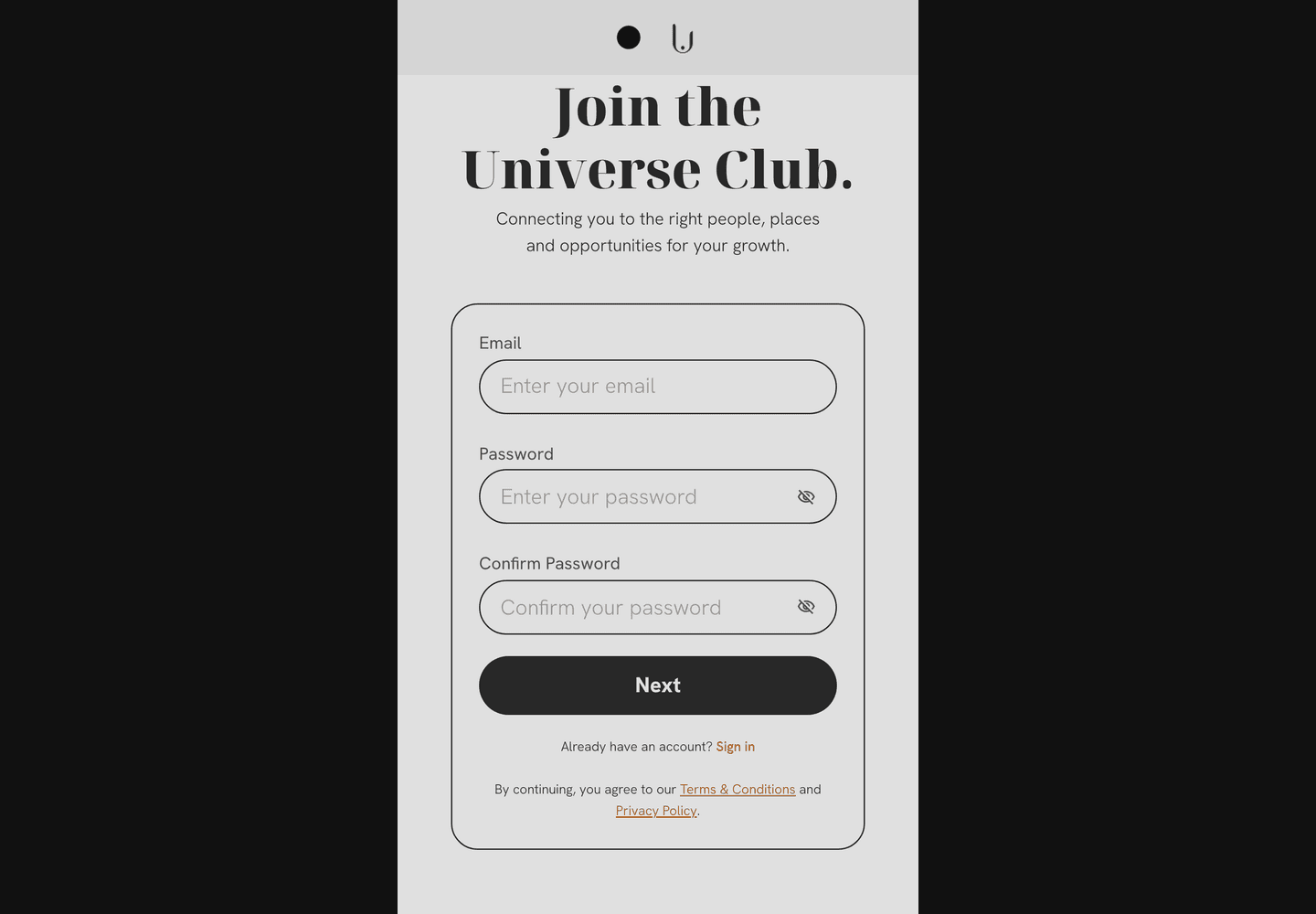
Universe Club Platform
A private professional network for trusted member discovery, workspace coordination, relationship context, and internal admin workflows.
Investor Intelligence
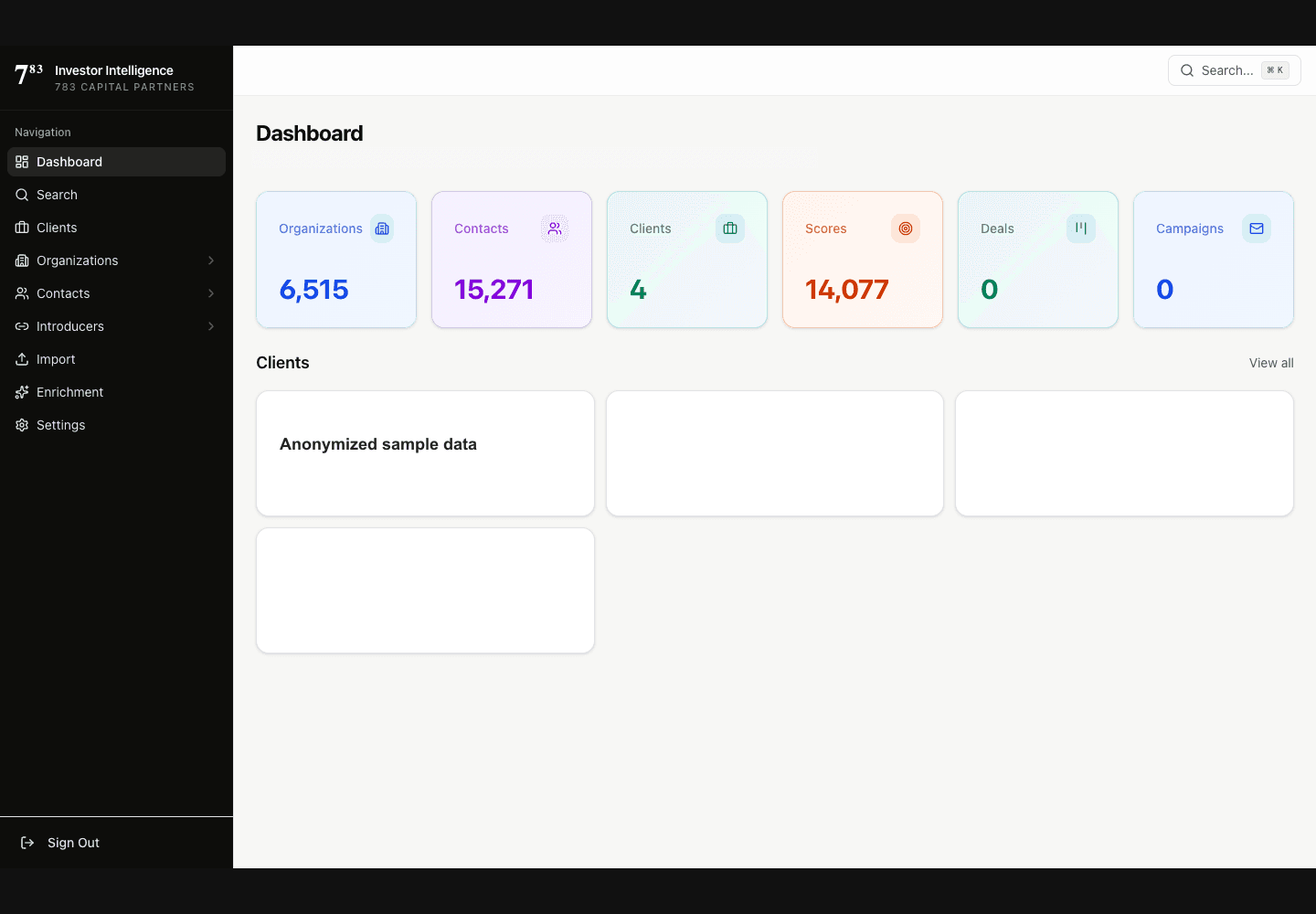
Investor Intelligence
A private intelligence layer for organizing organizations, contacts, introducers, scoring, enrichment, and campaign activity.
Digital Marketing
Alistair Langer
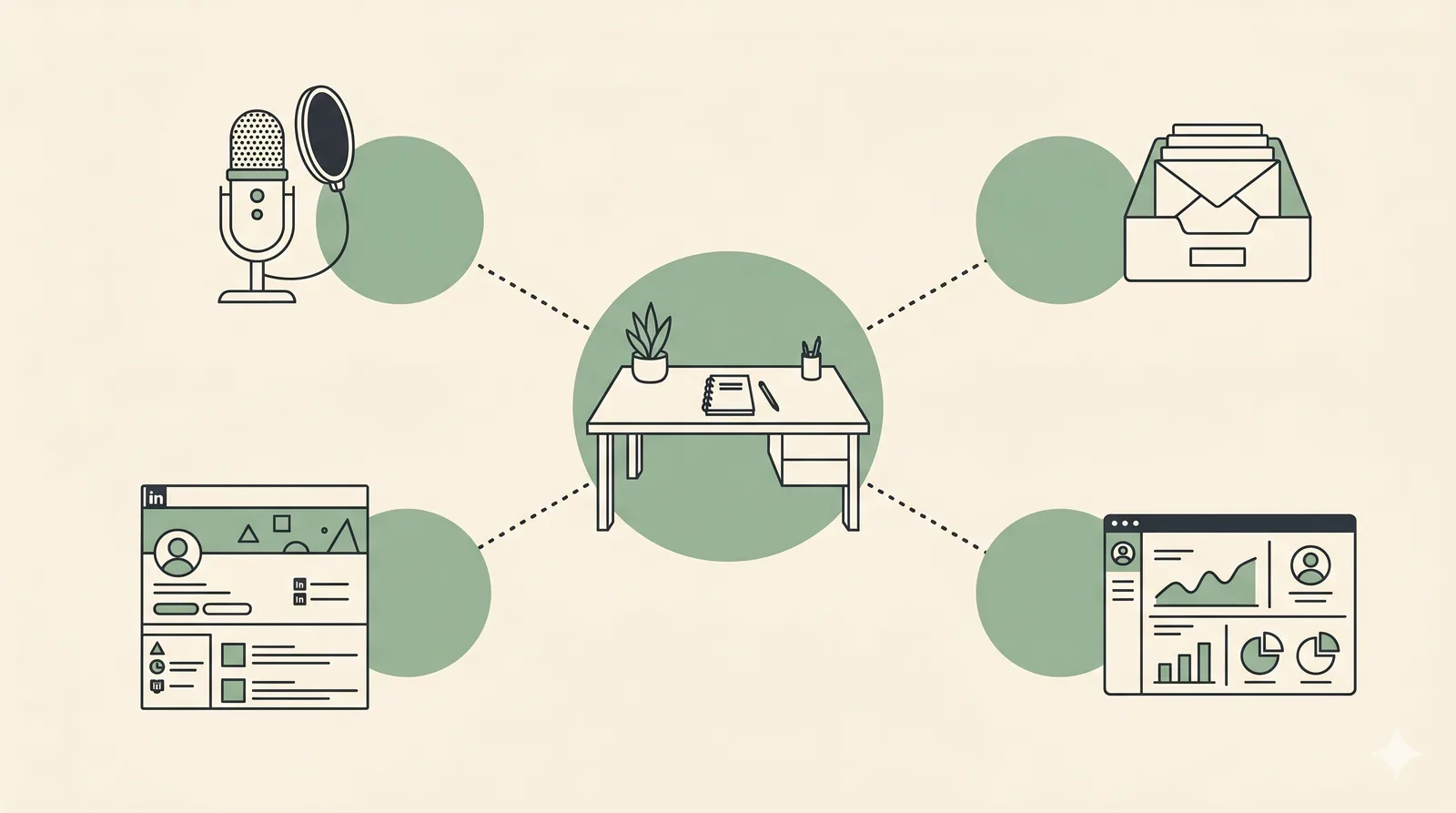
From Email Migration to Full-Spectrum Business Partnership
More in AI Governance and Security
- AssessmentSaaS and Identity Posture AssessmentHow the platforms your business runs on are actually configured, and what to fix first.One week
- AssessmentAI Application Security AssessmentKnow how the AI feature you shipped can be misused, before someone shows you.One to two weeks
- BuildGovernance Controls BuildThe decisions your governance work produced, installed as controls in the platforms you already run.Two to six weeks
- BuildPolicy and Evidence PackThe documents auditors, insurers and enterprise customers ask for, written to be used.Two to three weeks
Questions
What counts as an AI tool in this assessment?
Anything that sends your data to a model: consumer assistants used through the browser, AI features switched on inside the software you already pay for, and third-party applications granted standing permission to read your email, files or calendars. The last group is where most of the exposure sits, and it is the group nobody has usually reviewed.
Will this disrupt our team or slow anyone down?
No. The assessment runs on read-only access and log data. Nobody is asked to stop using anything while it runs, and no setting is changed by us. The findings session is the only time we need from your people beyond the initial scoping call.
What do we actually receive at the end?
A written inventory of every tool and connected application, the data and permission scope each holds, a risk ranking based on the vendor, the scope and the sensitivity of what is reachable, and a recommended keep, restrict or revoke decision for each item. It is written so a general counsel or a board can read it without a technical translator.
Can this feed into a governance programme run by someone else?
Yes, and it is designed to. Governance advisors decide what AI should and should not do in your business. This assessment gives that work its facts. We deliver the findings in a form their assessment can rely on and stay available to them for questions.
