Loading…
Loading…Capability · Governance
AI Governance and Security
Govern what your people already use. Secure what you already ship.
Assessment and build work that gives leadership a defensible picture of where AI reaches data and decisions, installs the controls that keep it that way, and tests the AI systems you build before someone else does.
Why this capability exists
AI arrived in most organisations without a decision being made. Someone started drafting with it. A tool got connected to email and files because a button offered to. A feature shipped inside a product because it was easy. None of that was wrong. What is missing afterwards is the ability to answer three plain questions: what AI is touching our data, who authorised it, and what happens when it does something we did not intend.
Most organisations do not have an AI problem. They have an ownership problem that AI made visible.
What we believe about it
Prohibition does not work. It moves usage onto personal accounts where nobody can see it, and it costs you the productivity your competitors are quietly gaining. The useful position is enablement with visibility: know what is in use, decide what may reach which data, and put a name against each decision.
Identity is the perimeter. Most intrusions today begin with a valid login rather than malware, and an AI assistant inside your environment inherits the permissions of whoever asks it a question. Half of the exposure people worry about in an AI tool was already there in an over-shared folder. The assistant simply made it easy to notice.
Evidence beats assurance. A policy that says controls exist is documentation. A record that shows who decided, what the system could reach and who could stop it is governance. Everything we deliver is written to be shown to an auditor, an insurer or a customer, not filed.
How the engagements fit together
Discovery comes first. The assessments give you the inventory, the data map and the configuration facts. The builds turn the decisions those facts force into controls, policy and evidence inside the platforms you already run. The continuous seat keeps direction and ownership alive as the tools and the rules change, which at present is every quarter.
- 01
Start with the assessment that matches your exposure: usage, an AI system you ship, or the platforms your business runs on
- 02
Read the findings with the people who own the decisions, not only the IT team
- 03
Choose the controls and policy worth installing, sequenced by risk and effort
- 04
Keep a named person responsible for the loop, inside your team or through us
Who delivers it
Airful fronts the work and holds the relationship. Delivery is by security practitioners who work as Airful consultants, under Airful's engagement terms and insurance. Where a client needs legally independent assurance or a formal certification, we say so and route it to a qualified third party rather than pretend to provide it.
Engagements
Assessments
- AssessmentAI Discovery and Data Exposure AssessmentKnow every AI tool touching your data, what it can reach, and who let it in.One to two weeks
- AssessmentAI Application Security AssessmentKnow how the AI feature you shipped can be misused, before someone shows you.One to two weeks
- AssessmentSaaS and Identity Posture AssessmentHow the platforms your business runs on are actually configured, and what to fix first.One week
Builds
Continuous
Related work
Digital Marketing
Alistair Langer
From Email Migration to Full-Spectrum Business Partnership
Digital Marketing
Tempest House
Strategic Growth Partnership
Operating System
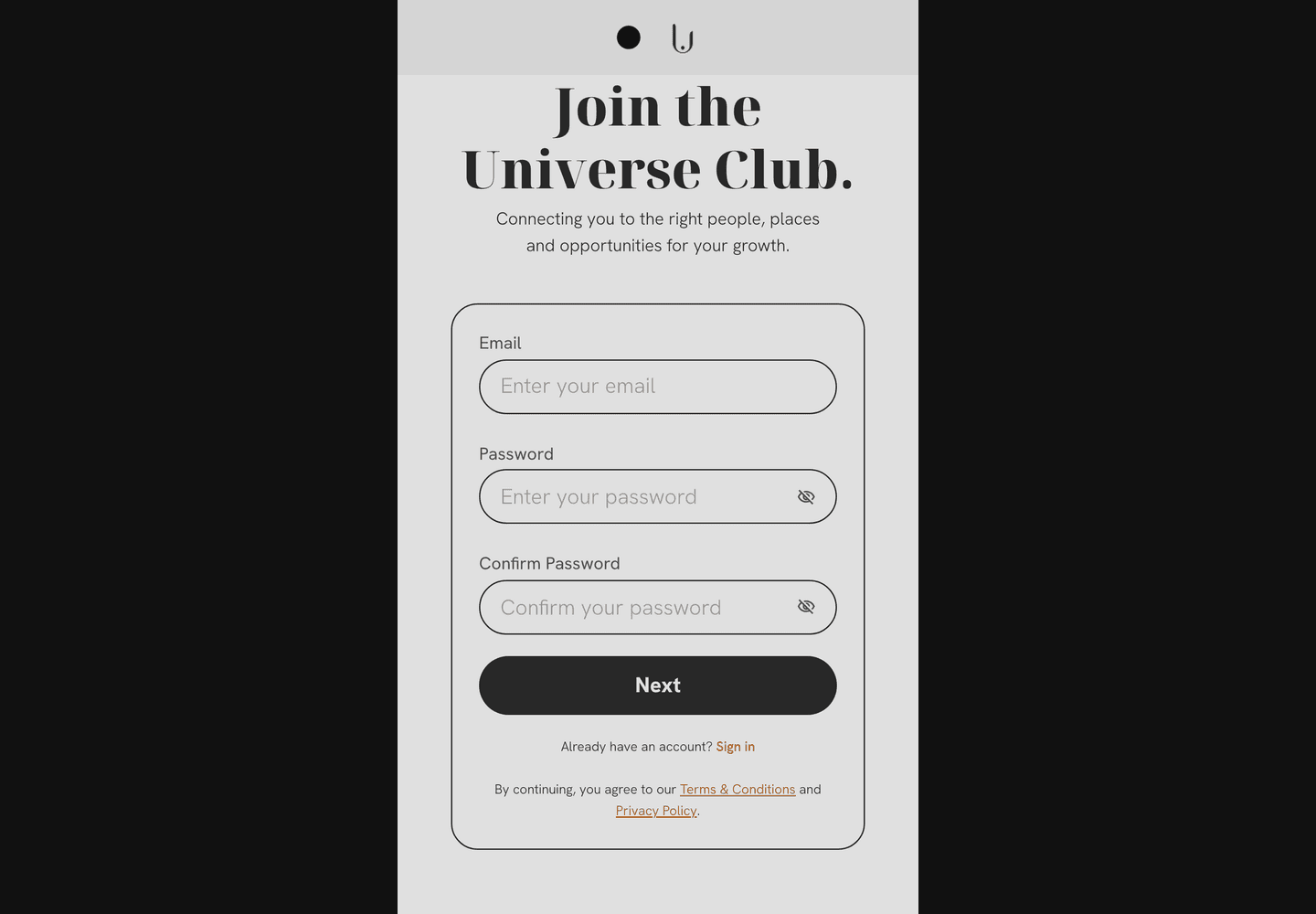
Universe Club Platform
A private professional network for trusted member discovery, workspace coordination, relationship context, and internal admin workflows.
Questions
We already work with a governance advisor. Where do you fit?
Beneath them. Advisors decide what AI should and should not do in your business and who owns each decision. We do the technical discovery that makes their assessment factual, build the controls their design calls for, and validate the AI systems in scope. We work alongside them, not instead of them.
Do you need to install anything on our systems?
Assessments run on read-only administrative access and a couple of hours of your time. Nothing is installed and nothing is changed by us. Where a change is recommended, your administrators make it with our guidance, so there is never any doubt about who altered what.
Is this only relevant to regulated companies?
No. Any organisation where AI touches client data, financial decisions or public-facing output carries the same exposure. Regulation raises the cost of getting it wrong; it does not create the risk.
