Loading…
Loading…Operational Platforms · Build
Intelligence Features in Product
The feature your users expect now: matching, summarising, classifying, answering, built to be trusted.
Language-model features designed and shipped inside your product: chat with lead capture, matching and recommendation, classification and routing, document extraction, report generation. Built with cost controls, evaluation and guardrails, so the feature works on a bad day too. Two to four weeks per feature.
Discuss this engagementWho this is for
- Product teams adding a first intelligence feature
- Founders whose users are asking for one
- Businesses with a manual step a model could do reliably
The situation
Your users have started asking for the feature before you have decided how to build it. They want the product to match them to the right option, summarise what they would otherwise read in full, or answer a question directly, because they have used products elsewhere that already do this.
The team's hesitation is usually well founded. A feature like this can be wrong in ways a normal feature cannot: confidently, plausibly, and in front of a customer. Nobody wants to ship something that invents an answer, and without a clear way to measure whether it is working, the safer choice looks like waiting, even as competitors move ahead and the manual version keeps costing someone's time.
What changes
You ship a feature with a measured pass rate. Before it reaches a real user, it has been run against a set of examples you helped define, so you know how often it gets the answer right and what it does when it does not, well before a complaint ever arrives.
A feature earns trust by showing its failure rate before launch, not by promising there won't be one.
You also get a known cost per use, agreed before the build starts. And you get a fallback: a defined path for the cases the feature is not confident about, so an uncertain answer is routed to a person before it ever reaches the user.
How it runs
- 01
Define the task and the acceptance examples
- 02
Select the model ladder and the cost ceiling
- 03
Build with guardrails, logging and evaluation
- 04
Ship behind a flag, measure, then release
- 05
Hand over the evaluation set and the runbook
The acceptance examples come first because they define what "working" means for this feature specifically, in your product, for your users, rather than a generic standard borrowed from somewhere else. We select the model ladder and the cost ceiling against those examples, then build the feature with the guardrails and logging that let it be measured once it is running.
Nothing ships to every user at once. It launches behind a flag, we measure its real pass rate against real traffic, and only then does it roll out fully, so the release decision is based on evidence gathered in production rather than confidence gathered in a demo.
What you receive
The feature itself, live in your product and instrumented so its behaviour can be watched after launch. The evaluation report shows how it performed against the acceptance examples, giving you a documented answer to whether it works.
The cost model, showing what the feature costs to run at the volume you expect, and the runbook: what to check when it misbehaves, how to adjust the guardrails, and how to extend the evaluation set as new cases show up. Your team is equipped to own the feature, not dependent on us to explain what it is doing.
More than five products shipped with intelligence features inside them
More than five enrichment and scoring pipelines in production
The engagement
- Format
- Feature design with evaluation criteria, model selection and cost model, build with guardrails and logging, evaluation report
- Duration
- Two to four weeks
- Typical range
- Engagements in this shape typically run two to four weeks and $3,000 to $10,000.
- What we need from you
- Examples of the inputs and the outputs you would accept
- Access to the product codebase and data
- A decision on the acceptable cost per use
Related work
Operating System
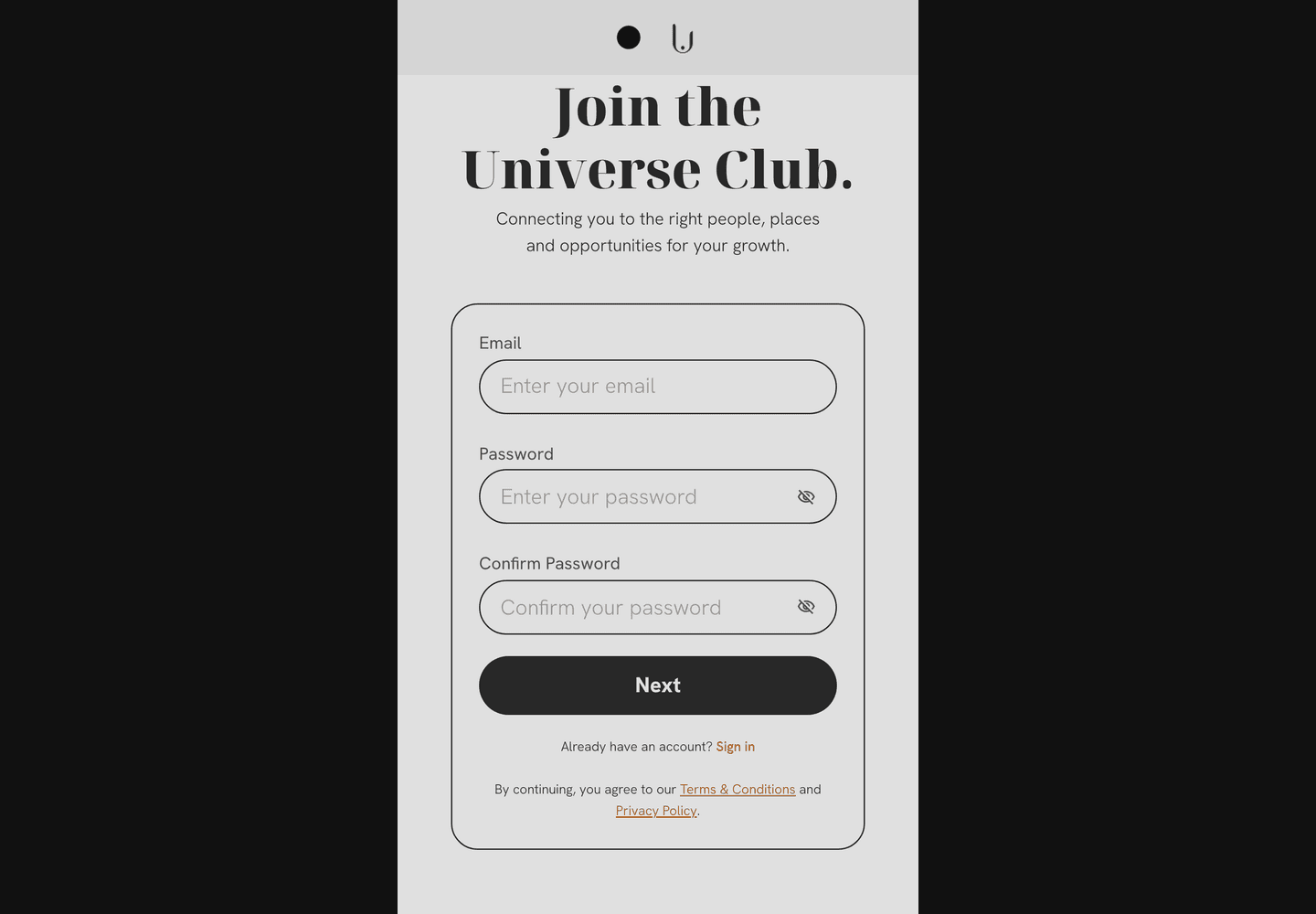
Universe Club Platform
A private professional network for trusted member discovery, workspace coordination, relationship context, and internal admin workflows.
Investor Intelligence
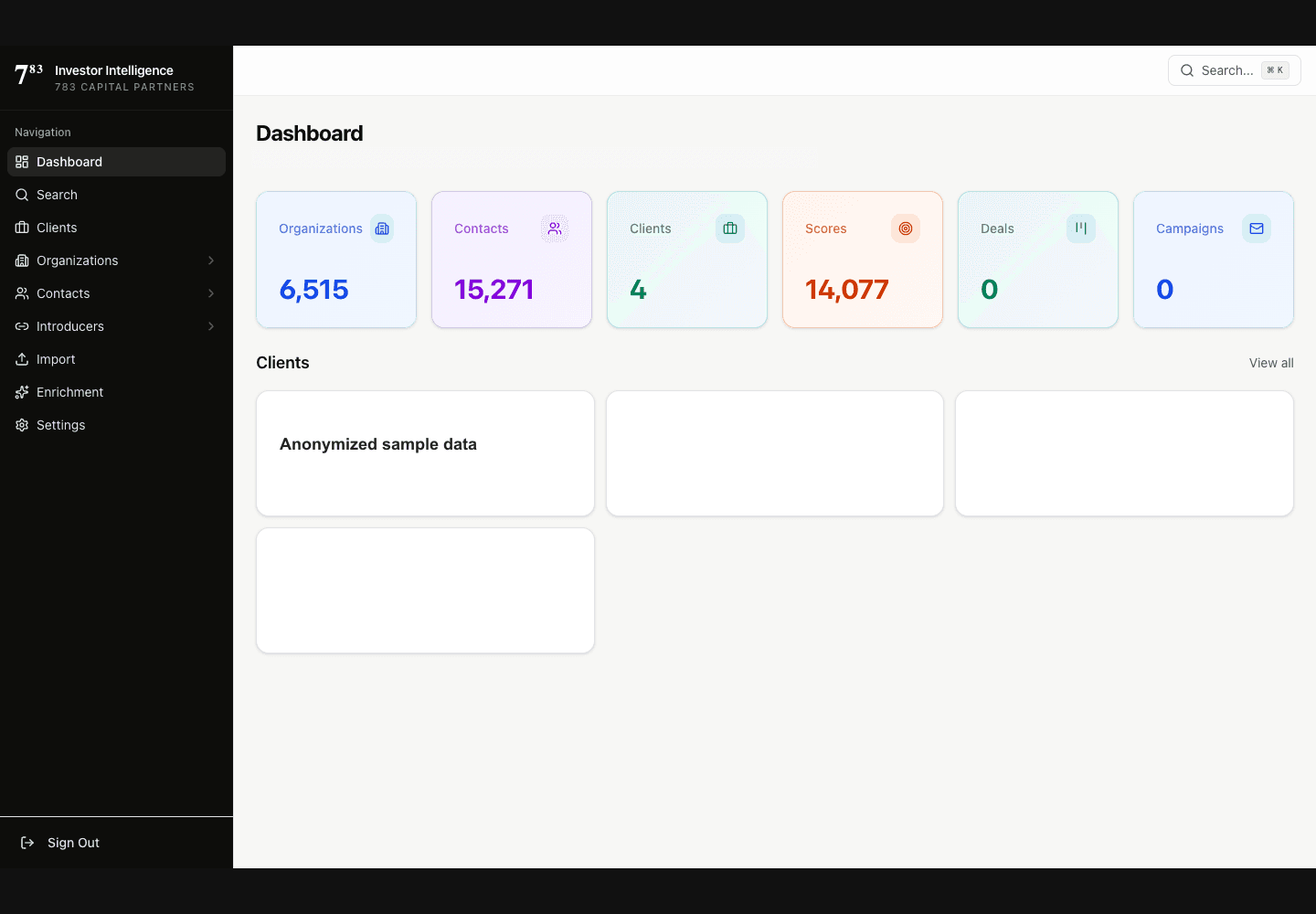
Investor Intelligence
A private intelligence layer for organizing organizations, contacts, introducers, scoring, enrichment, and campaign activity.
Digital Marketing
Alistair Langer
From Email Migration to Full-Spectrum Business Partnership
More in Operational Platforms
- AssessmentAI Application Security AssessmentKnow how the AI feature you shipped can be misused, before someone shows you.One to two weeks
- BuildProduct and Platform BuildFrom a scoped idea to a working product in phases you can see and stop between.Four to twelve weeks
- BuildOperations Platform for OperatorsA back office built around how you actually work, live in days, run with you for years.One to eight weeks
- BuildPlatform MigrationOff the tool you have outgrown, onto a stack you own, without losing a single URL.Two to six weeks
Questions
Which models do you use?
We use the cheapest model that passes the evaluation, with a ladder from small to large by task. We choose the model per task, which keeps the running cost of the feature honest.
How do you stop it saying something wrong?
We build against evaluation sets, guardrails and logging, and we always leave a human path for the cases that matter. Every output is checked against known-good examples before launch, and every response in production is logged so a wrong one can be found and fixed before a user ever discovers it.
What does it cost to run?
We design against a cost per use you approve before we build, usually a matter of cents. You see the full cost model during design, so the economics of the feature stay a decision you control throughout.
Can you secure it?
Yes, and we recommend the application security assessment for anything customer-facing. A feature that reads or writes real user data carries its own exposure, and pairing this engagement with that assessment closes the gap between a feature that works and one that is also safe to ship.
