Loading…
Loading…Operational Platforms · Build
Product and Platform Build
From a scoped idea to a working product in phases you can see and stop between.
A phased build for a new product or platform: foundation with authentication, data model and one working flow; feature phases for the parts that make it yours; polish, compliance and launch. Four to twelve weeks, fixed price per phase, with a working deliverable at the end of each.
Discuss this engagementWho this is for
- Founders building a first product with a clear buyer
- Businesses turning an internal process into software
- Teams with a prototype that needs to become real
The situation
Somewhere between an idea and a business is a point where a spreadsheet, a prototype or a manual process stops being enough. The idea has a buyer now, or the internal workaround has grown past what one person can run by hand, and what is needed next is software that other people can log into and rely on.
That point is also where a lot of builds go wrong. Scope grows without anyone pricing the growth, a single long build reappears months later as a surprise nobody signed off on, and the founder discovers the stack chosen for them the day someone tries to hire a second engineer. Something usually does ship in the end. The trouble is that it no longer matches what the business needed by the time it arrives.
What changes
You get a product your users can log into and depend on day to day. It ships in phases, so the parts that matter to your buyer exist first: authentication, the data model, one flow that works end to end, followed by the features that actually make the product yours rather than a template with your logo on it.
A phased build turns a single leap of faith into a series of decisions you get to make with your eyes open.
Each phase is priced and scoped before it starts, so you are choosing to continue, not discovering afterward what the whole thing cost. If priorities shift partway through, the next phase absorbs that shift on paper, in writing, before it touches the one already underway.
How it runs
- 01
Scope and phase the work, fixed price per phase
- 02
Foundation: auth, data model, one working flow, deployed
- 03
Feature phases: the pieces that make the product yours
- 04
Polish: performance, privacy, analytics, launch checklist
- 05
Launch, then operate monthly if you want that
The scoping document is the one artefact everything else depends on, which is why it is written together and signed before any build begins. It names what each phase delivers, what it costs, and what counts as done, so a weekly working session is checking progress against an agreed plan, not negotiating the plan itself while the clock runs.
Design is approved in writing before its phase's build starts, and the deployed environment updates continuously, so you are watching the product take shape on a schedule you can see instead of waiting for a single reveal.
What you receive
The product itself, live and usable by the people it was built for, deployed and monitored from day one. The repository that built it, complete and yours, on a stack chosen because it is the stack we run across our client work and the one you can hire for afterward.
Documentation written for the team that will maintain the product once the build is done, covering how it is structured, how it is deployed, and how to extend it safely. A launch checklist closes the engagement: performance, privacy and analytics confirmed working before the product goes in front of real users, with the results recorded for whoever picks up the project next.
More than ten operating platforms and CRMs built for operators
More than twenty-five documented engineering patterns reused across client work
The engagement
- Format
- Scoping document, phased fixed-price build, weekly working session, staging environment throughout, launch checklist
- Duration
- Four to twelve weeks
- Typical range
- Engagements in this shape typically run four to twelve weeks and $15,000 to $30,000.
- What we need from you
- A written scope we produce together and you sign
- Design approval before each phase's build starts
- A decision-maker available weekly
- Continues as
- Monthly Growth Optimisation
Related work
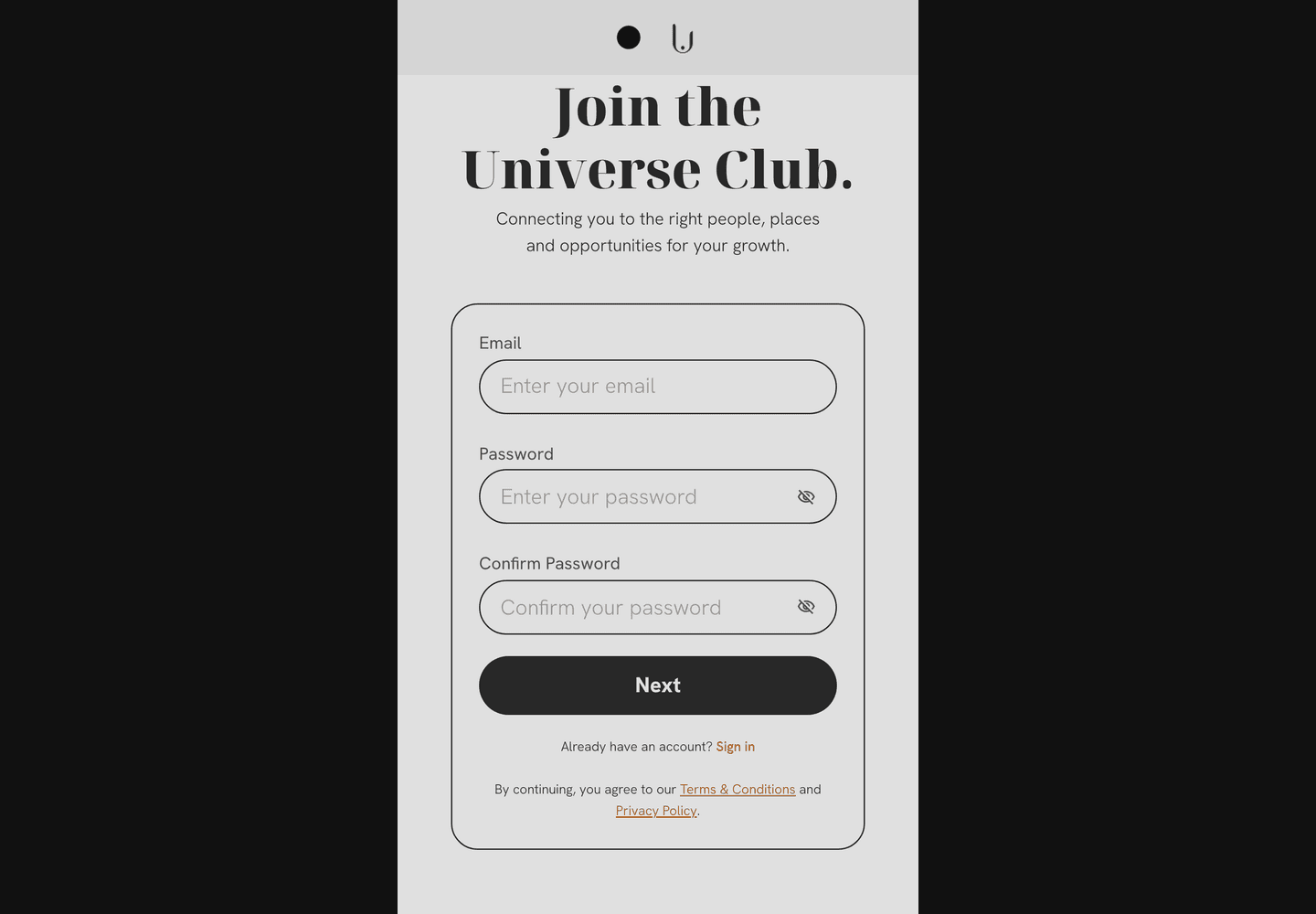
Operating System
Universe Club Platform
A private professional network for trusted member discovery, workspace coordination, relationship context, and internal admin workflows.
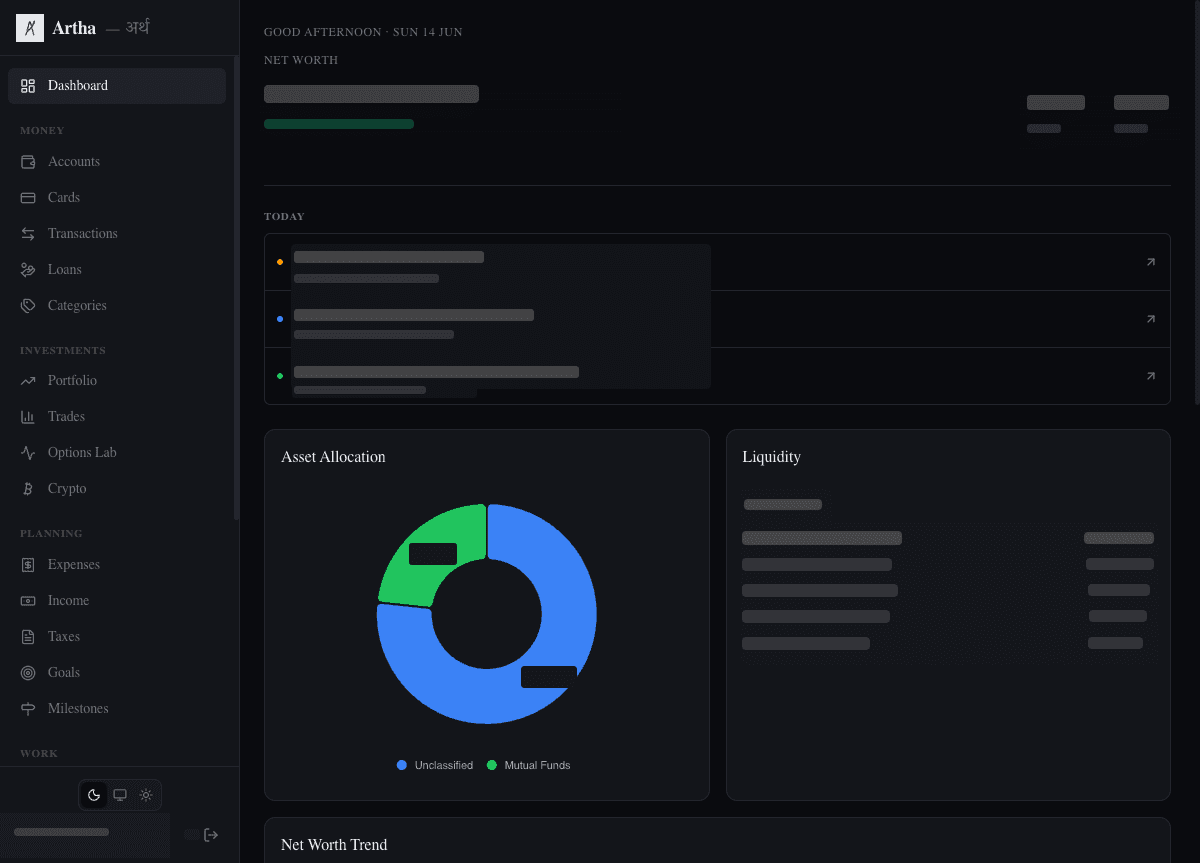
Portfolio Management
Artha
A personal wealth management app for tracking net worth, liquidity, holdings, trades, accounts, goals, and AI-assisted financial intelligence.
Digital Marketing
Alistair Langer
From Email Migration to Full-Spectrum Business Partnership
More in Operational Platforms
- BuildIntelligence Features in ProductThe feature your users expect now: matching, summarising, classifying, answering, built to be trusted.Two to four weeks
- BuildOperations Platform for OperatorsA back office built around how you actually work, live in days, run with you for years.One to eight weeks
- BuildPlatform MigrationOff the tool you have outgrown, onto a stack you own, without losing a single URL.Two to six weeks
- BuildWhatsApp Operations LayerEvery message answered, recorded and attributed, no matter whose phone it landed on.Two to three weeks
Questions
Why phases?
Each phase ends with something that works and a decision about the next, so risk stays small. You are never committed to a build you have not seen, and stopping after any phase still leaves you with a working product at that stage.
What stack?
One modern stack we run for dozens of clients, which is why we are fast and why you can hire for it. Nothing about the build depends on a framework only we understand, so any competent team can maintain your product going forward.
Do you do design?
Yes, and no build starts until you have approved it in writing. Design happens ahead of each phase's build and is signed off before engineering begins, so the engineering work executes an agreed plan.
What happens to scope changes?
They are written down, priced, and added to a phase openly. A change that seems small in conversation can move a timeline, and naming its cost up front protects both the schedule and the relationship, so it cannot erode either one quietly.
